Magnetic rigid gift boxes combine a strong paperboard structure with concealed magnetic closures to create premium packaging for products such as skincare, perfume, electronics, wine, jewelry, corporate gifts, and presentation sets. Beyond appearance, the final quality depends on structural design, material selection, printing, finishing, insert planning, and precise assembly.
If you are looking for a manufacturer rather than only researching the production process, explore our
Custom Magnetic Rigid Boxes
page for structure options, inserts, materials, prototyping, and mass-production support from WEIXIN GROUP.
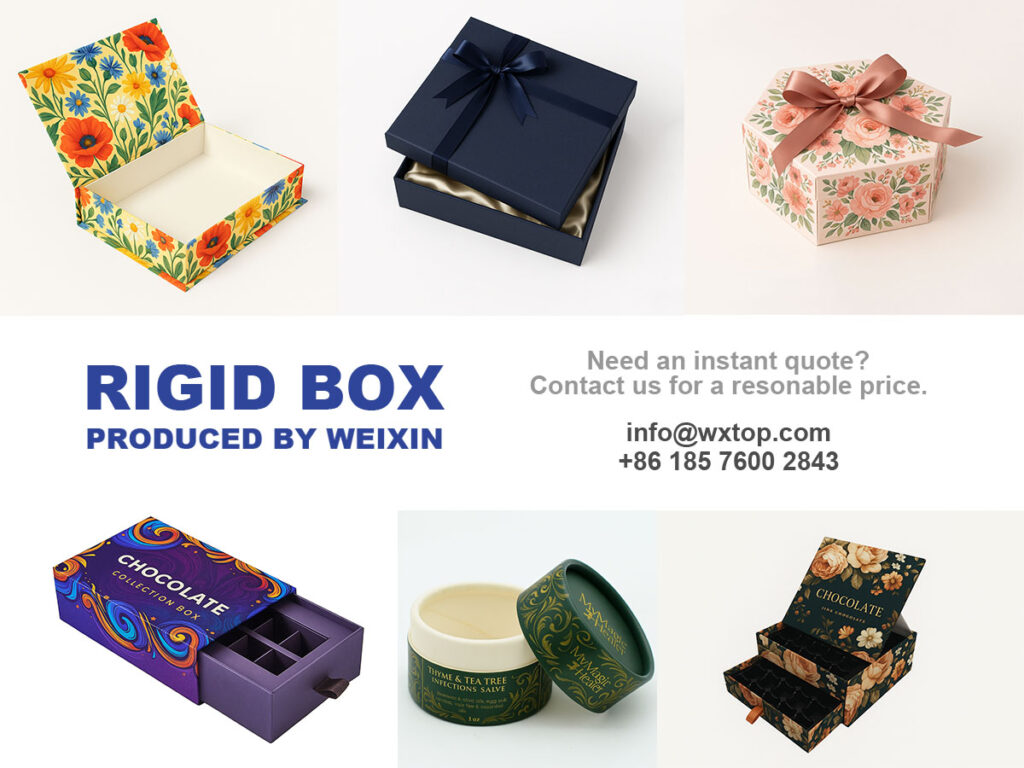
How Magnetic Rigid Boxes Are Manufactured
Producing a magnetic rigid box involves much more than folding paperboard. A typical project moves through structural development, material selection, printing, lamination, die-cutting, decorative finishing, wrapping, magnet installation, and final assembly. Each stage affects the appearance, durability, production efficiency, and cost of the finished box.
Step 1: Material Selection and Structural Design
The process begins with the product and packaging requirements. The box dimensions, lid construction, magnetic closing position, insert layout, product weight, opening experience, and shipping method should all be considered before production starts.
Typical magnetic rigid box materials include:
-
Rigid greyboard or chipboard:
Forms the structural core of the box. The board specification should be selected according to the box size, product weight, and required rigidity. -
Wrapping paper:
Printed art paper, kraft paper, black paper, textured paper, or other specialty papers can be wrapped around the rigid board to create the final exterior appearance. -
Magnets:
Small magnets are concealed inside the lid or closing panel to create a clean and repeatable closure without visible hardware. -
Custom inserts:
Depending on the product, paperboard, EVA, foam, molded pulp, or other fitted structures may be used to hold and present the contents.
This early stage has a major impact on production feasibility. Material selection, structural complexity, insert requirements, and overall box dimensions all influence the final cost and performance.
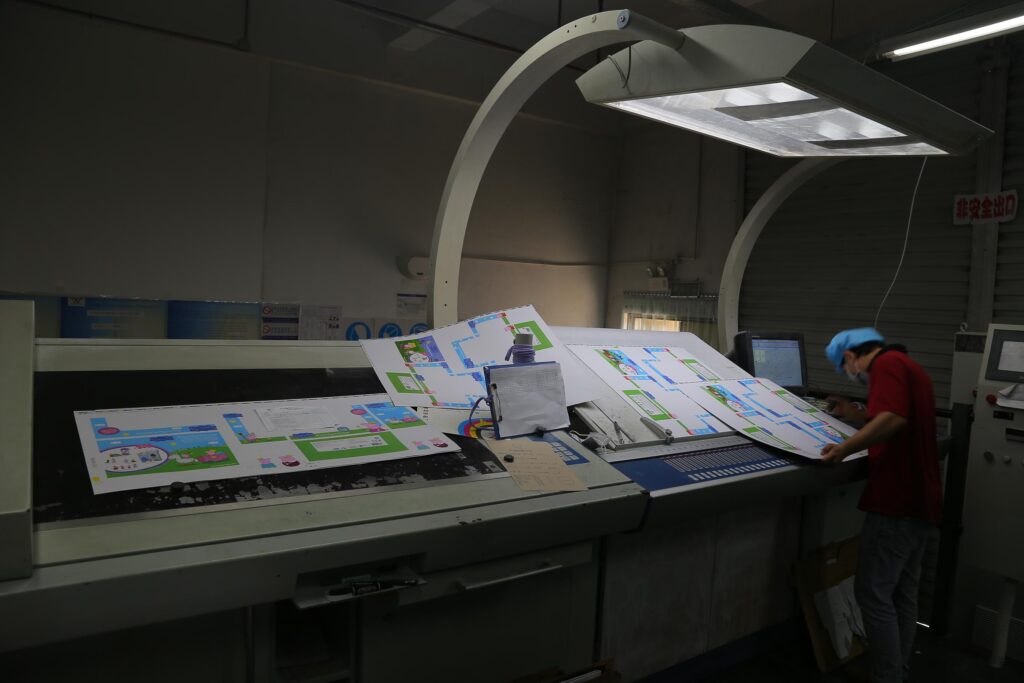
Step 2: Offset Printing and Artwork Production
Once the structure, paper, dieline, and artwork are confirmed, printing can begin. Offset printing is commonly used for custom rigid packaging because it can reproduce detailed artwork, brand colors, graphics, and fine text with consistent quality across larger production runs.
Step 3: Lamination and Die-Cutting
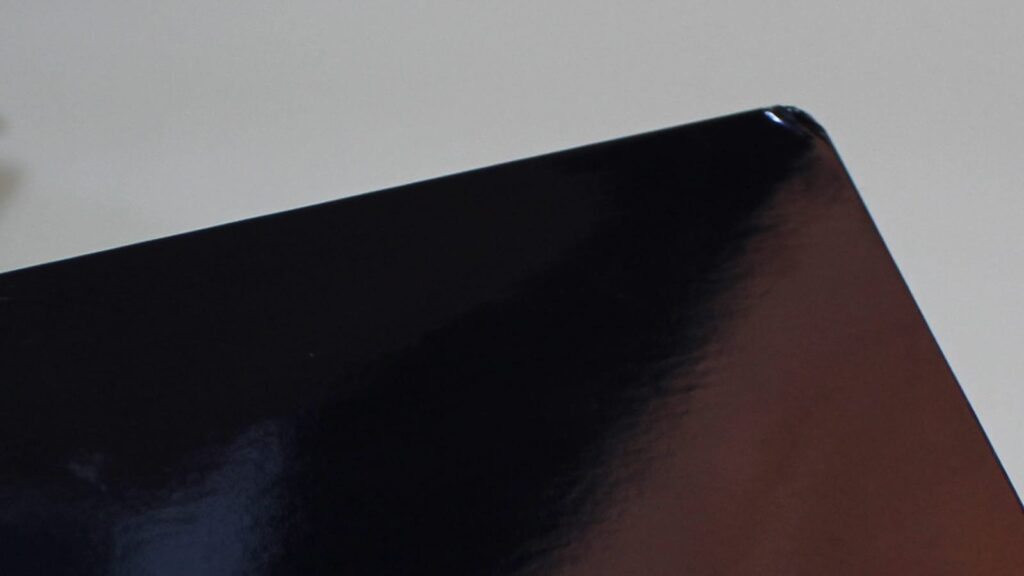
After printing, the wrapping sheets may receive matte, gloss, soft-touch, anti-scratch, or other protective surface treatments depending on the project. The printed sheets are then die-cut or trimmed into the required shapes so they can be accurately wrapped around the rigid greyboard components.
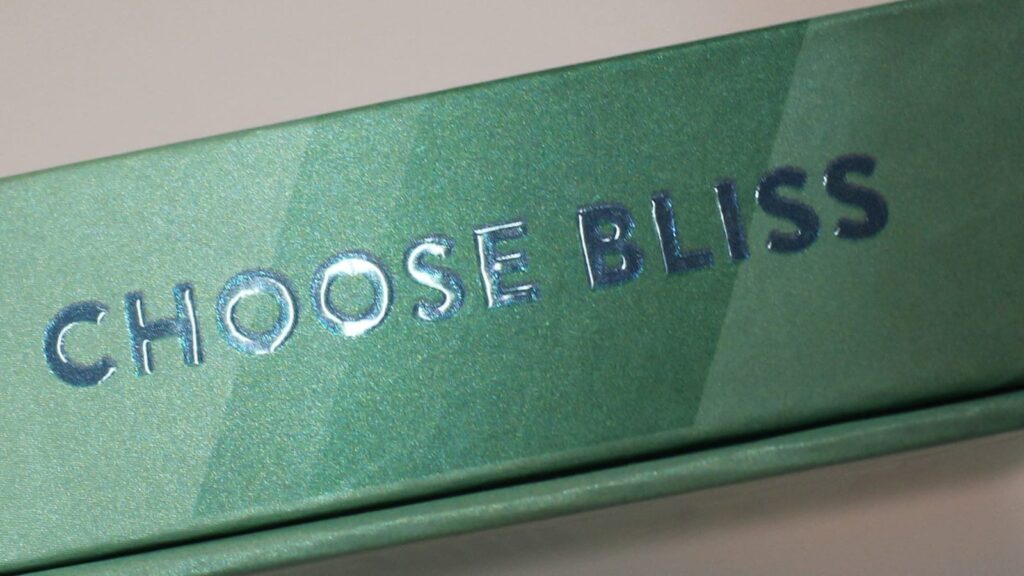
Step 4: Premium Printing and Finishing Effects
Premium finishes can be added to logos, patterns, text, or selected graphic areas to create stronger visual and tactile differentiation.
-
Hot foil stamping:
Adds metallic or decorative foil effects to logos, text, borders, and graphic details. -
Embossing and debossing:
Creates raised or recessed details that add depth and tactile interest. -
Spot UV:
Adds localized gloss effects to selected printed areas. -
Specialty coatings and laminations:
Matte, gloss, soft-touch, and anti-scratch surfaces can change both appearance and handling.





Step 5: Box Wrapping, Magnet Installation and Final Assembly
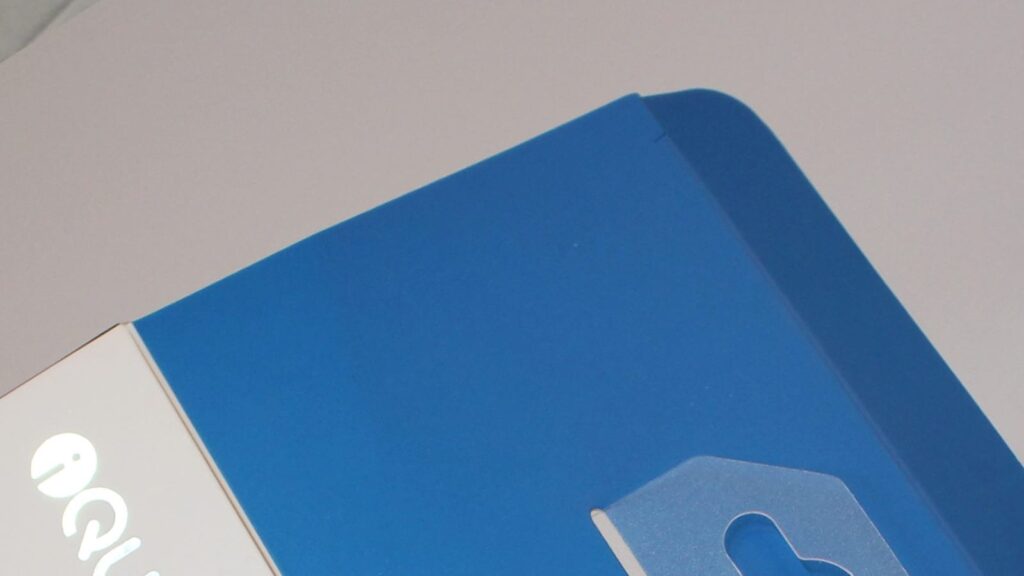
After the board components and wrapping materials are prepared, the rigid box is assembled and wrapped. Magnets are positioned inside the closing panels before the exterior is completed so they remain hidden from view.
Depending on the project, additional components such as ribbons, fabric pulls, dividers, custom inserts, handles, or decorative details may also be installed during final assembly. The completed boxes are then inspected before packing and shipment.
For buyers planning a new project, our
Magnetic Rigid Box Manufacturing
page explains available structures, customization options, insert solutions, project development, prototyping, and mass-production support.
Common Magnetic Rigid Box Sizes
Magnetic rigid boxes are normally produced to custom dimensions rather than fixed standard sizes. The following examples illustrate sizes that may suit different product categories:
-
22 × 17 × 9 cm:
Suitable for products such as candles or skincare kits. -
33 × 25 × 10 cm:
Can be used for apparel, accessories, or larger gift sets. -
15 × 13 × 5 cm:
Suitable for watches, jewelry, and smaller premium products. -
40 × 30 × 12 cm:
Can accommodate larger gift collections or multi-component presentation sets. -
18 × 18 × 8 cm:
Suitable for books, perfume, cosmetics, and medium-size gift products.
The final dimensions should always be determined according to the product, insert layout, required clearance, opening structure, shipping method, and production requirements.
Common Types of Magnetic Rigid Boxes
Magnetic closure boxes can be developed in several different structures depending on the product, presentation experience, logistics, and target cost. WEIXIN GROUP manufactures custom magnetic rigid boxes including the following common formats:
-
Classic Flip-Top Magnetic Boxes:
A hinged lid with an extended magnetic flap that closes against the front panel. This is one of the most versatile magnetic rigid box structures for premium retail packaging. -
Collapsible Magnetic Boxes:
Foldable structures designed to reduce storage and shipping volume while maintaining the appearance of a rigid box after assembly. -
Book-Style Magnetic Boxes:
A hinged construction that opens like a hardcover book and works well for presentation sets, samples, cosmetics, perfume, and branded collections. -
Magnetic Presentation Boxes:
Custom structures developed around products, accessories, inserts, samples, or multiple components to create a controlled presentation experience.
See more structure options and manufacturing capabilities on our
Custom Magnetic Rigid Boxes
commercial page.
Why Brands Choose Magnetic Rigid Boxes
Magnetic rigid boxes are often selected when a project requires a premium hinged opening, a clean exterior appearance, repeatable closure, and a controlled product reveal. Their rigid structure also provides a substantial feel that can reinforce premium brand positioning.
The structure can also support custom inserts, multiple components, decorative papers, foil, embossing, debossing, Spot UV, and other finishing options. Because magnetic boxes are relatively durable, they may also be reused for storage or presentation after the original product has been removed.
Drawer Boxes vs. Magnetic Rigid Boxes


Magnetic and drawer rigid boxes create different opening experiences. Magnetic boxes provide a hinged opening and concealed closure, while drawer boxes use a sliding tray and sleeve. The better choice depends on the product, desired reveal experience, insert configuration, production budget, packing method, and shipping requirements.
You can compare magnetic, drawer, two-piece, book-style, shoulder-neck, and collapsible structures on our
Luxury Rigid Boxes
hub page.
Need a Custom Magnetic Rigid Box Manufacturer?
WEIXIN GROUP supports custom magnetic rigid box projects from early packaging concepts through structural development, material selection, insert planning, prototyping, printing, finishing, assembly, and mass production.
Explore Custom Magnetic Rigid Box Manufacturing →
If you already have product dimensions, artwork, reference images, a target quantity, or an early packaging concept, send the information to our team for project evaluation and quotation.